
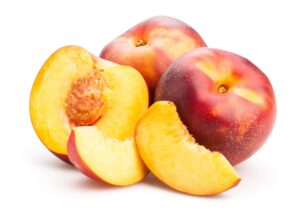
Nectarine
The nectarine is a round fruit with juicy flesh and a pit, similar to the peach. The skin is smooth, not fuzzy, like a plum, and can be eaten peeled or unpeeled. They are commonly eaten fresh or cooked in preserves, jams, and pastries.
One of the guidelines of our I+D+I department is the search for new nectarine varieties that can bring higher quality to our products and to the design of new production processes that can help reduce costs and decrease packaging use while making them more environmentally friendly.
Appearance
The nectarine has a smooth and shiny skin, unlike the peach, which is velvety. Its shape is rounded and its size is generally medium. Skin color can range from yellow to deep red, often with orange undertones.
Pulp
The flesh of the nectarine can be yellow or white, depending on the variety. It is known for being juicy and firm, which makes it very pleasant to the palate. The pulp is extremely sweet, with a touch of acidity that makes it refreshing.
Flavor and Texture
The flavor of nectarine is a combination of sweetness and acidity, which makes it very refreshing and delicious. The texture of the pulp is firm and juicy, which makes it a highly appreciated fruit both for fresh consumption and for various culinary preparations.
The nectarine, a variety of the peach (Prunus persica), has an origin that dates back thousands of years to Asia, specifically China. Like the peach, the nectarine is a stone fruit that belongs to the Rosaceae family. Its history is closely linked to that of the peach, since both share a common ancestor.
Origin and Evolution
The nectarine is the result of a natural mutation of the peach. This mutation affects a single gene responsible for skin texture, resulting in the smooth, shiny skin of the nectarine, in contrast to the velvety skin of the peach. This mutation can occur spontaneously in peach orchards, and over the centuries, farmers have selected and propagated these smooth-skinned varieties.
Diffusion and Cultivation
From its origin in China, the nectarine spread along the Silk Road to Persia (present-day Iran) and then to Europe. Traders and explorers took the fruit to different parts of the world, where it adapted to various climates and growing conditions. In Europe, the nectarine was widely cultivated in Mediterranean countries such as Spain, Italy and Greece, where the temperate climate favors its growth.
Introduction in America
The nectarine arrived in America with European colonizers. In the United States, it has been widely cultivated in states such as California, which offers ideal climatic conditions for its production. Today, California is one of the leading producers of nectarines in the world.
Modernization and Varieties
Over time, farmers and scientists have developed numerous varieties of nectarines through genetic improvement techniques. These varieties differ in size, color, flavor and ripening period, which allows a broader and longer supply of the fruit in the markets.
Conclusion
The nectarine has ancient origins in China and has come a long way through history and the world. From its natural mutation of the peach to its cultivation and spread on different continents, the nectarine has become a fruit appreciated for its sweet flavor, juicy texture and smooth skin. Today, it is a popular fruit in many cultures and is grown in various regions of the world, offering a delicious and nutritious option for consumers.
The cultivation of nectarine requires specific conditions and appropriate agricultural practices to ensure high quality production. This stone fruit thrives in temperate climates, with cold winters necessary to meet its chill hour requirement and warm summers favoring optimal fruit development. Nectarine prefers well-drained, deep and fertile soils, with an ideal pH between 6.0 and 7.5. Soil preparation before planting is crucial, including incorporating organic matter and correcting pH if necessary.
Planting nectarines is preferably done in autumn or early spring, when the risk of frost is low. It is important to maintain a distance of approximately 4-5 meters between trees to ensure good air circulation and enough space for root development. Planting holes should be large enough to accommodate the roots without bending them, usually 50x50x50 cm.
Regular watering is essential, especially during the growing and fruiting season. Drip irrigation is an efficient option to maintain constant humidity without waterlogging the soil. It is important to avoid both excess and lack of water, since adequate irrigation ensures good fruit development and prevents problems such as premature fruit drop.
Balanced fertilization is crucial for growing nectarine. This should include nitrogen, phosphorus and potassium, as well as micronutrients such as iron and zinc. Fertilization should be done in several stages: before bud break, during fruit growth and after harvest to prepare the tree for the next season.
Pruning is another essential practice in growing nectarine. Training pruning is done in the early years to shape the tree and ensure a strong structure. Maintenance pruning is carried out annually to eliminate dead, diseased or poorly located branches. This practice helps improve air circulation and sunlight penetration, which is crucial for tree health and fruit quality.
Control of pests and diseases is essential to maintain the health of the crop. Among the most common pests that affect nectarine are aphids, red spiders and fruit flies. The most common diseases include monilia, powdery mildew and dent. It is important to carry out constant monitoring and apply appropriate phytosanitary treatments. The use of integrated pest management (IPM) practices can help reduce the incidence of pests and diseases.
The nectarine harvest is generally carried out in summer, although it can vary depending on the variety and weather conditions. The fruits are ready to harvest when they reach their characteristic size and color and easily detach from the tree with a slight twist. It is important to handle the fruits carefully to avoid damage and ensure good post-harvest quality.
In summary, growing nectarine requires attention to climatic conditions, soil, irrigation, fertilization, pruning, and pest and disease control. With proper agricultural practices, it is possible to obtain high-quality production that delights consumers with its sweet flavor and juicy texture.
Nectarine is a fruit that is not only delicious but also rich in essential nutrients that provide numerous health benefits. Below are the main nutrients found in nectarine:
Vitamins
Nectarine is an excellent source of vitamins, especially vitamin A and vitamin C. Vitamin A is crucial for eye health, the immune system, and skin. Vitamin C is essential for the immune system, tissue repair and iron absorption, as well as acting as a powerful antioxidant.
Minerals
Among the minerals present in nectarine, potassium stands out for its importance in the proper functioning of muscles and nerves, as well as in maintaining fluid balance in the body. Nectarine also contains magnesium, which is important for muscle and nerve function, blood sugar regulation, and protein production. Although in smaller quantities, the iron present in nectarine contributes to the formation of red blood cells and the transport of oxygen in the body.
Dietary Fiber
Nectarine is a good source of dietary fiber, which helps improve digestion, prevent constipation, and maintain intestinal health. Fiber also contributes to feelings of satiety, which can be beneficial for weight management.
Antioxidants
La nectarina contiene varios antioxidantes, como los polifenoles y los carotenoides, que ayudan a combatir los radicales libres en el cuerpo. Estos antioxidantes pueden reducir el riesgo de enfermedades crónicas y retrasar el envejecimiento celular.
Calories and Macronutrients
Nectarine is a low-calorie fruit, making it a healthy option for those looking to maintain or lose weight. It also contains small amounts of protein and fat, but its main component is water, which contributes to its ability to hydrate.
Conclusion
Nectarine is a nutritious fruit that offers a wide range of health benefits. Its content of vitamins A and C, minerals such as potassium and magnesium, dietary fiber and antioxidants make it an excellent option for a balanced and healthy diet. Enjoying this fruit not only delights the palate, but also provides essential nutrients that promote general well-being.
The nectarine harvest season generally runs from late spring to late summer. During this period, nectarines reach their optimal point of ripeness and flavor.
| ENE | FEB | MAR | ABR | MAY | JUN | JUL | AGO | SEP | OCT | NOV | DIC | ||
|---|---|---|---|---|---|---|---|---|---|---|---|---|---|
 |
|
|
|
|
